How to learn to ride a scooter from zero
The easiest way to learn to ride from zero is on an automatic scooter on an empty lot, not straight into traffic. The basics - starting, braking, turning at low speed - are learned on the lot. Confidence on Phuket’s roads comes later, after rides in real left-hand traffic, on hills and on wet tarmac.
4 min read
On this page
Where to start: an automatic scooter
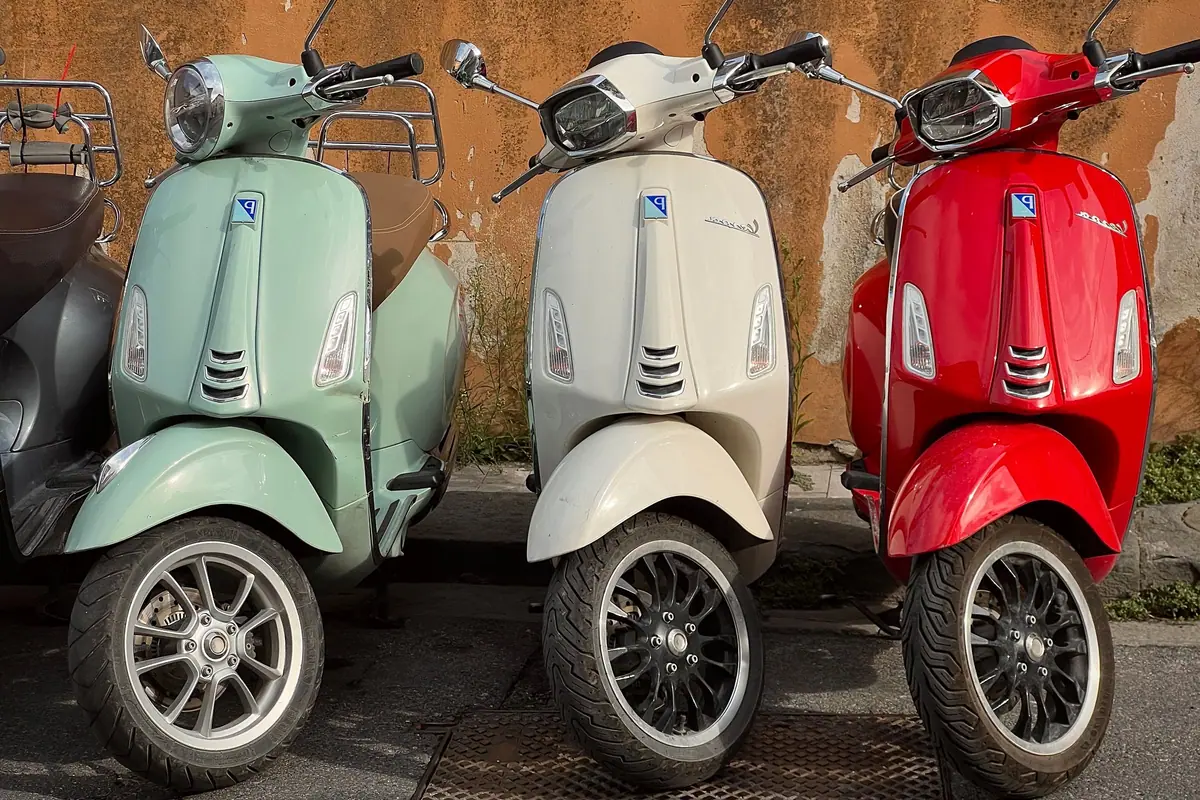
For a first bike, take an automatic scooter of 125-160 cc: a Honda Click, Honda PCX or Yamaha NMAX. There are no gears and no clutch; you have the throttle and two brake levers.
The right lever works the front brake, the left one the rear. On many Honda scooters the left lever also partly applies the front brake; this is called a combined braking system. Before your first ride, find out how your particular bike works and practise both levers standing still.
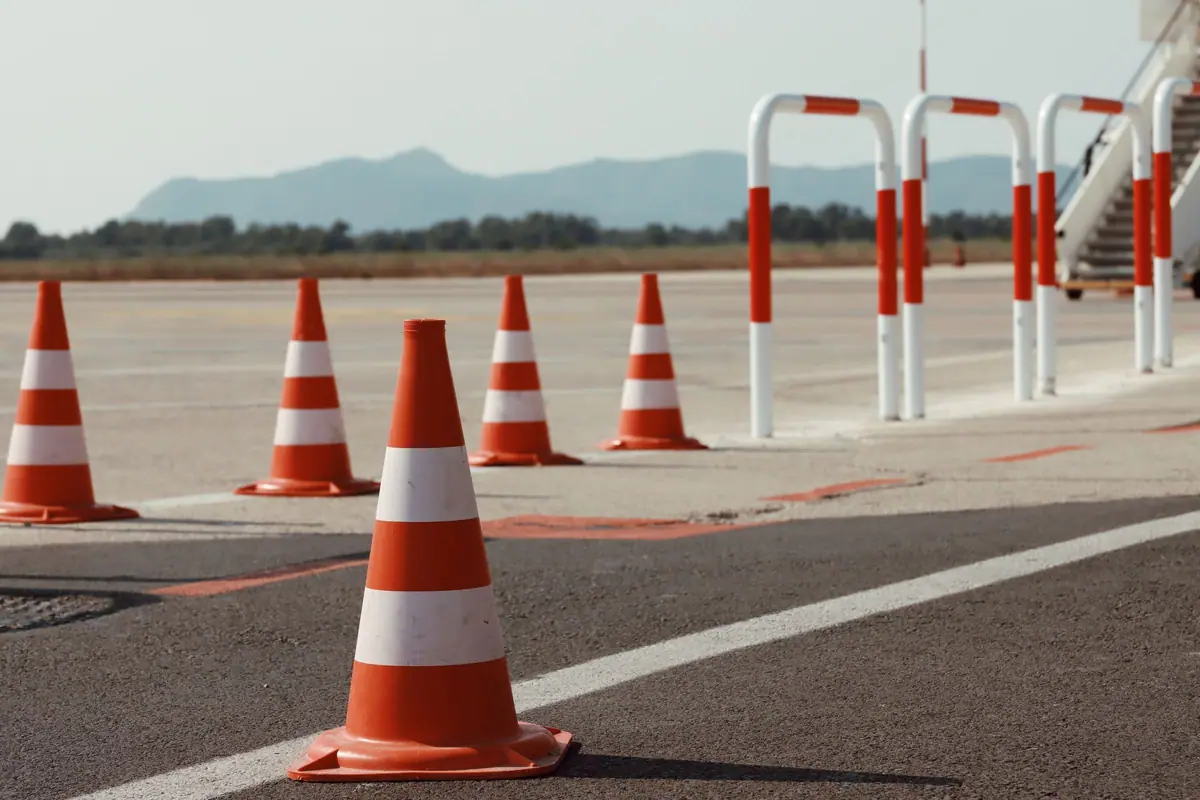
Stage 1. The lot: throttle, brakes, balance
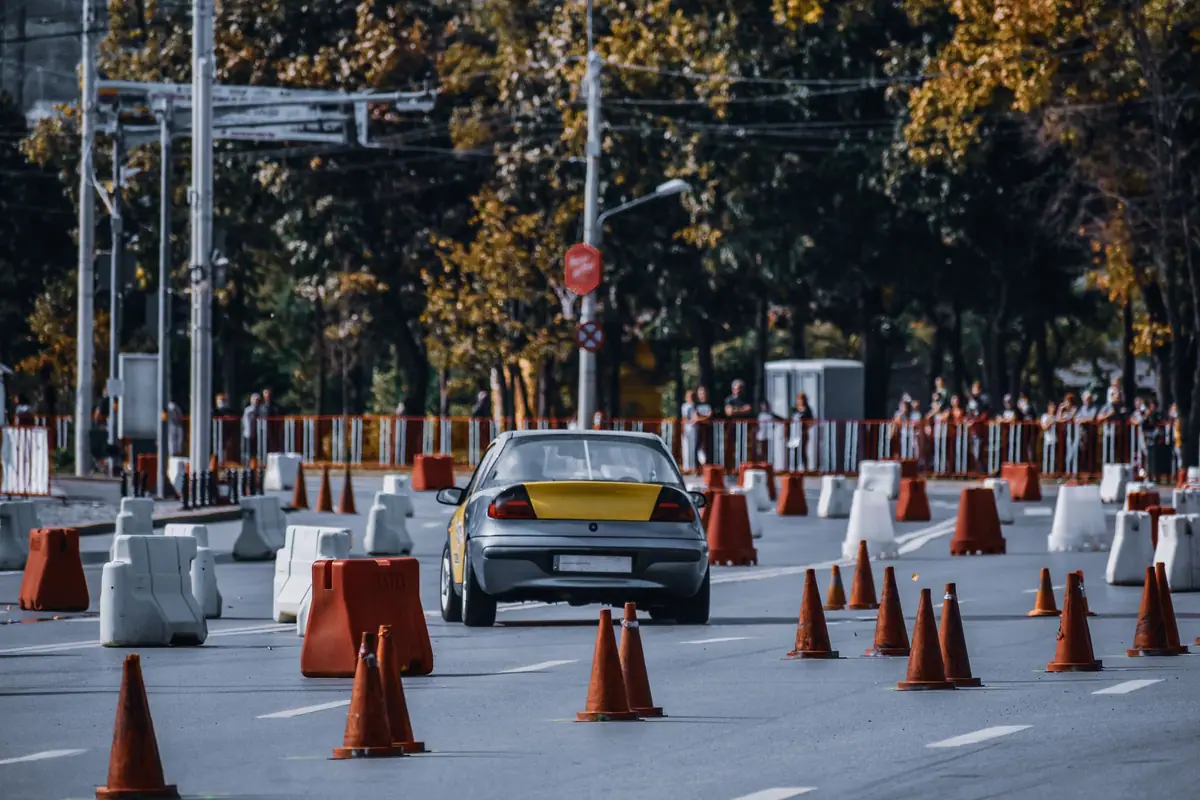
The first session is on a flat, empty lot. The goal is to feel how the bike responds to the throttle and to stop exactly where you planned.
- Smooth start. Add throttle a little at a time; an automatic scooter jumps forward if you twist the grip all at once.
- Stopping on a mark. Pick a spot and stop next to it, using both brakes.
- Riding slowly. Hold walking pace with the throttle and a light touch of rear brake; that keeps the bike balanced.
- Emergency stop. Squeeze both levers smoothly but hard; the front brake does most of the work.
Stage 2. Turning and where you look
In a turn, the bike goes where the rider looks. Beginners stare at the pothole or kerb they want to avoid and ride straight into it. On the lot, practise a slalom between cones and a U-turn in a tight space, moving your eyes to the exit of the turn.
Slow down before the turn, not in it. Braking hard while leaned over, especially on the front brake, is one of the most common causes of low-speed falls.
Stage 3. Riding on the left
Thailand drives on the left. If you come from a right-hand-traffic country, your brain will fight it at every junction for the first few days. The right turn is the most dangerous one: it crosses oncoming traffic.
On Thai roads bikes overtake on both sides, and riders often keep to the edge of the lane. So check your mirrors before every lane change and signal early.
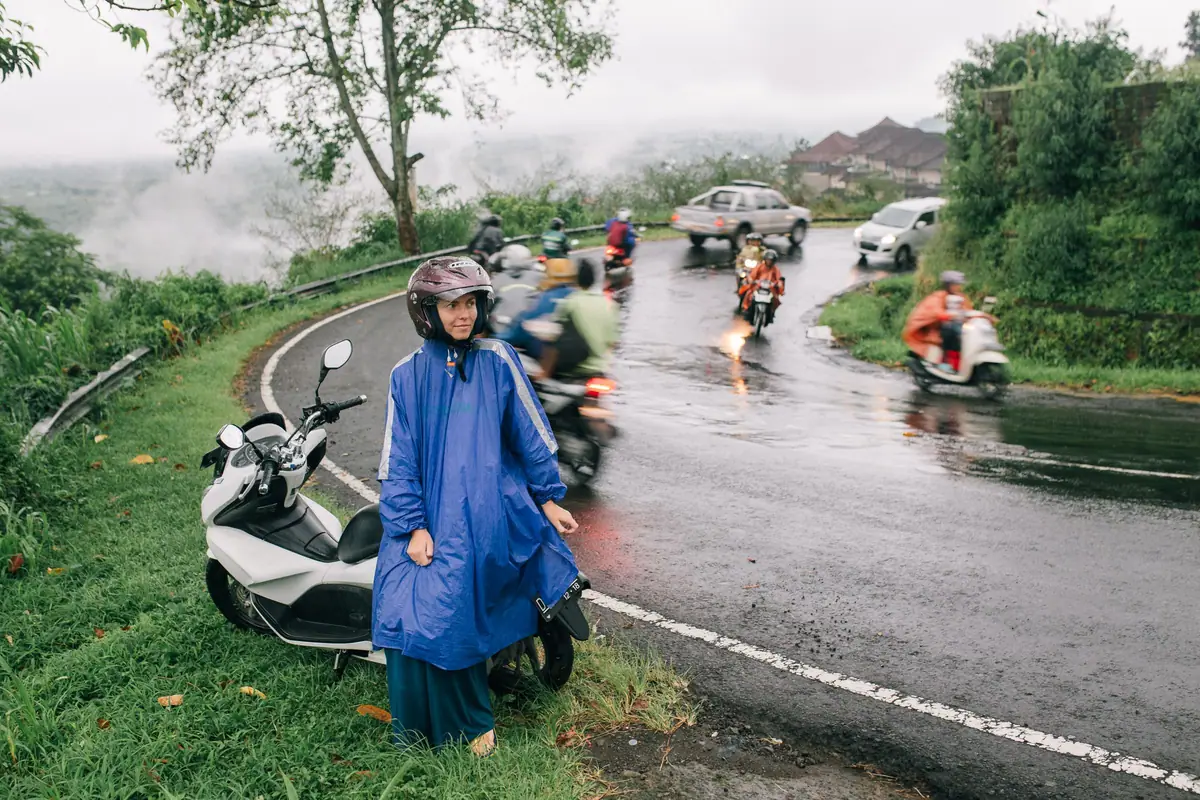
Stage 4. Phuket's roads
The island is hilly. The road out of Patong over the hill, the descents to Kata and Karon and the switchbacks to Promthep Cape all need downhill braking skill: brake early and smoothly, don't grab the levers halfway down.
May to October is the rainy season in Phuket. The first minutes of a downpour are the most slippery, before the water has washed the oil and dust off the road. Near beaches sand gets onto the road, and front braking on it easily ends in a fall.
Watch out for road markings and metal manhole covers too: in the rain they are more slippery than the tarmac. At night add unlit stretches and dogs running into the road.
Beginners' typical mistakes
- The hand twists the throttle in a moment of fright, and the scooter speeds up instead of stopping.
- Braking with the front brake alone on sand or wet markings.
- Carrying a passenger in the first days. With two people on it the bike behaves differently: it takes longer to stop and turns differently.
- First rides straight into Patong at rush hour.
- Riding without a license "while I'm learning". On the island this is a common reason for a fine; see driving without a license in Phuket.
On your own or with an instructor
Learning from a friend is cheaper, but a friend passes on their habits more than technique. With an instructor mistakes are fixed on the lot before they become automatic: hand position on the throttle, where you look in a turn, using both brakes.
There's a practical reason too. For a new Thai license you take a practical test on the DLT's closed course, and confident low-speed control matters more there than highway riding. Learning and getting the license fit well in sequence: first the lot and the first rides, then the motorcycle license in Phuket.
Phuket License runs riding lessons on motorbikes and scooters. The format and booking are on WhatsApp.